
It was a week before Ben Stein-Lobovits’ 32nd birthday. He had just gotten married, and he and his wife were eager to have kids. It should have been a happy time, but Ben was having unexplained headaches. When he got them checked out, the news wasn’t good.
Ben had a glioma, an aggressive brain cancer. His neurosurgeon didn’t offer much hope.
“The doctor was like, ‘I can't operate on you. Your tumor is in your brain stem. There's no real option.’”
Ben researched his tumor, and eventually found hope through a doctor in Michigan who knew of a drug trial that might help. Because Ben’s cancer is so rare, pharmaceutical companies don’t have financial incentive to support research, so instead the trial was funded primarily by the federal government, through the National Institutes of Health and the National Cancer Institute. The drug was ONC201.
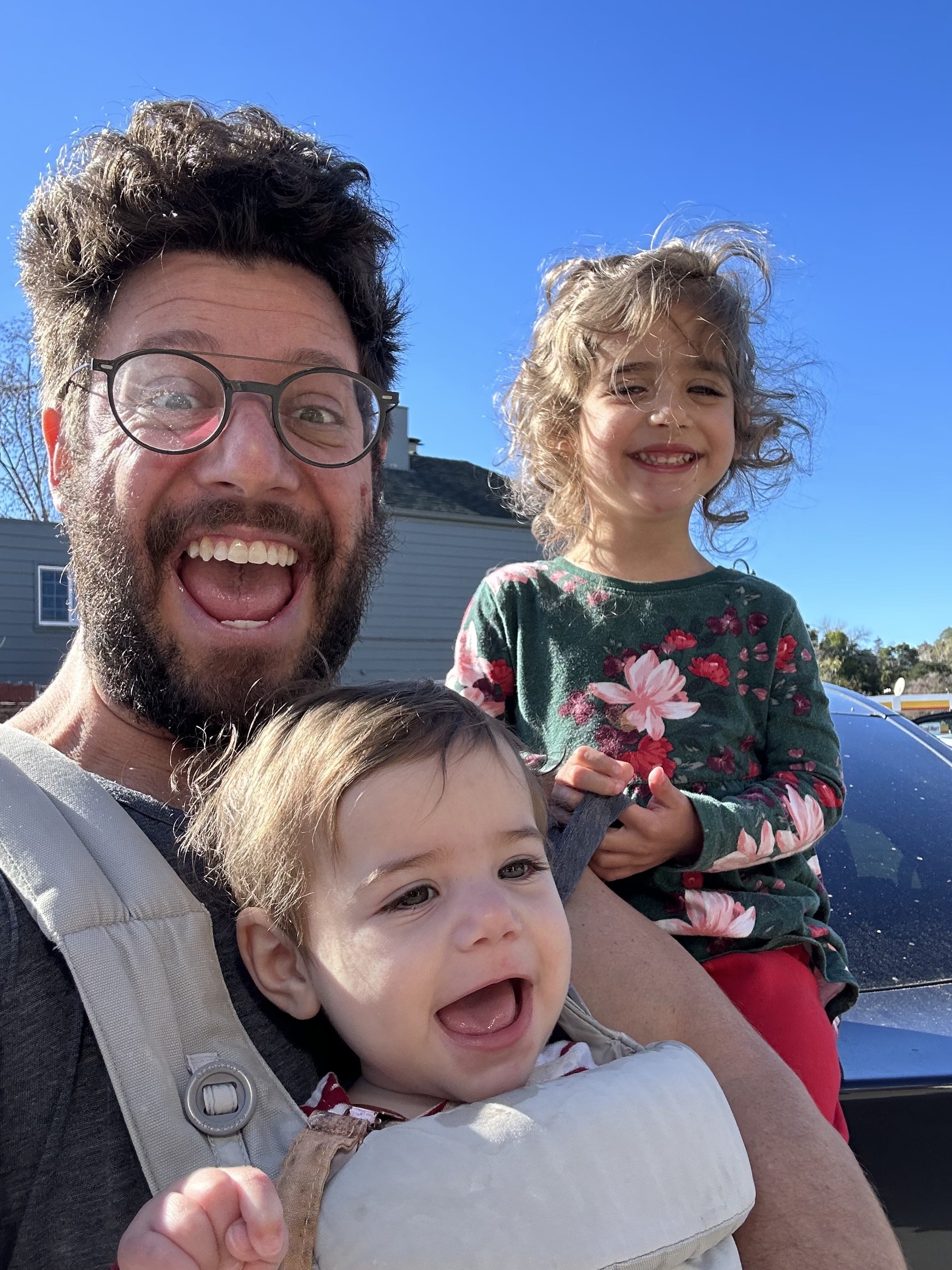
“The philosophy at the time was, let's do this to just stop the tumor so you don't just like die immediately, and then hope for a miracle after that. And that's what presented itself in ONC 201.” — Ben Lobovitz
Ben had no idea that the majority of cancer research in the US is funded by the federal government. Like many of us, he didn’t realize that when funding, staffing, and research at the National Institutes of Health (NIH) is slashed, that means the National Cancer Institute—and cancer research itself—is cut.
Six-plus years later, Ben is likely the longest-surviving victim of his particular type of glioma. The trial drug worked. Said Ben,
“My father passed away from a neurodegenerative disease when I was 27. He would say, “Miracles happen every day.” Unfortunately, he wasn't so lucky. But I like to think that I am. The drug gave me a hopeful trajectory, because after radiation and chemo, there were no other options for me.”
Ben spent this spring and summer worried that that his miracle drug would not be approved by the government. The Food and Drug Administration (FDA), which is responsible for drug approvals, lost 3,500 employees in April, the direct result of government cuts. As he said in his Raise Our Voices interview,
" My life is, for better or worse, in their hands.”
Ben has two beautiful daughters, both born during his clinical trial. He’s determined to see them grow up. Said Ben,
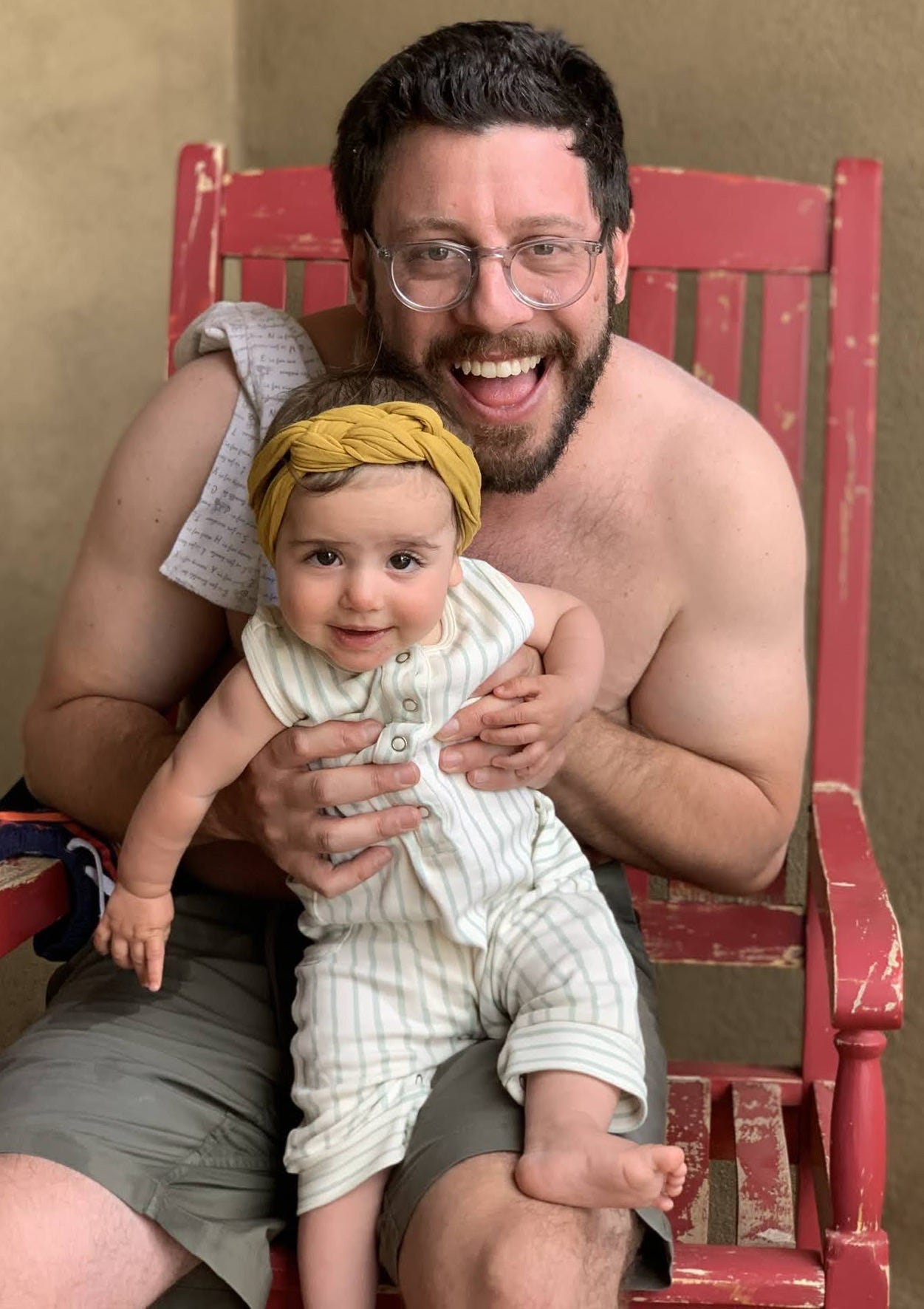
“I have an immense amount of gratitude, especially for these federal workers who have enabled me to start a family, and I couldn't be more grateful.”
Thankfully, Ben’s drug was approved this summer, but he suffered through months of uncertainty, not knowing whether his “miracle drug” would be available. Many other trials were abruptly ended. Funding for cancer research has been dramatically cut. Meanwhile, the FDA is critically understaffed, which is likely to impact approval of cutting edge, lifesaving drugs going forward.
So many of us have seen friends or family struggle with or succumb to cancer. Ben chose to raise his voice to help us understand what’s at stake for everyone touched by these devastating diseases.
Cuts aren’t just happening to some scientist in an ivory tower. Cuts are happening to us. The cancer care you may someday need may no longer be available. Stories like Ben’s are the key to understanding what’s at stake.
Support us by sharing episodes and becoming a paid subscriber of this non-profit, non-partisan project. You can also donate directly here; all donations are tax deductible and help us Raise Our Voices.
Details on Ben’s Stein Lobovits’ cancer trial, and info on government cuts to cancer research.
“Study finds improved survival for incurable brain tumor, providing ‘a crack in the armor’”
“Federal Funding Cuts Spark Concern Over Future of Cancer Research and Care in United States”
“Future Cancer Cures in Jeopardy as President Proposes Massive Cuts to National Cancer Institute”
The Trump administration’s NIH and FDA cuts will negatively impact patients


